Introduction to Tree House Life
The concept of treehouses evokes images of childhood adventures, serene escapes, and unique living spaces nestled among branches. In recent years, the idea of embracing a tree house life has gained remarkable popularity, transcending beyond mere recreational retreats into viable and sustainable living options. These elevated havens offer not just a connection to nature, but also an unparalleled lifestyle that prioritises sustainability and creativity. This article will explore the many facets of tree house living, from its numerous benefits to the practicalities involved in building your dream tree house.
What Is Tree House Life?
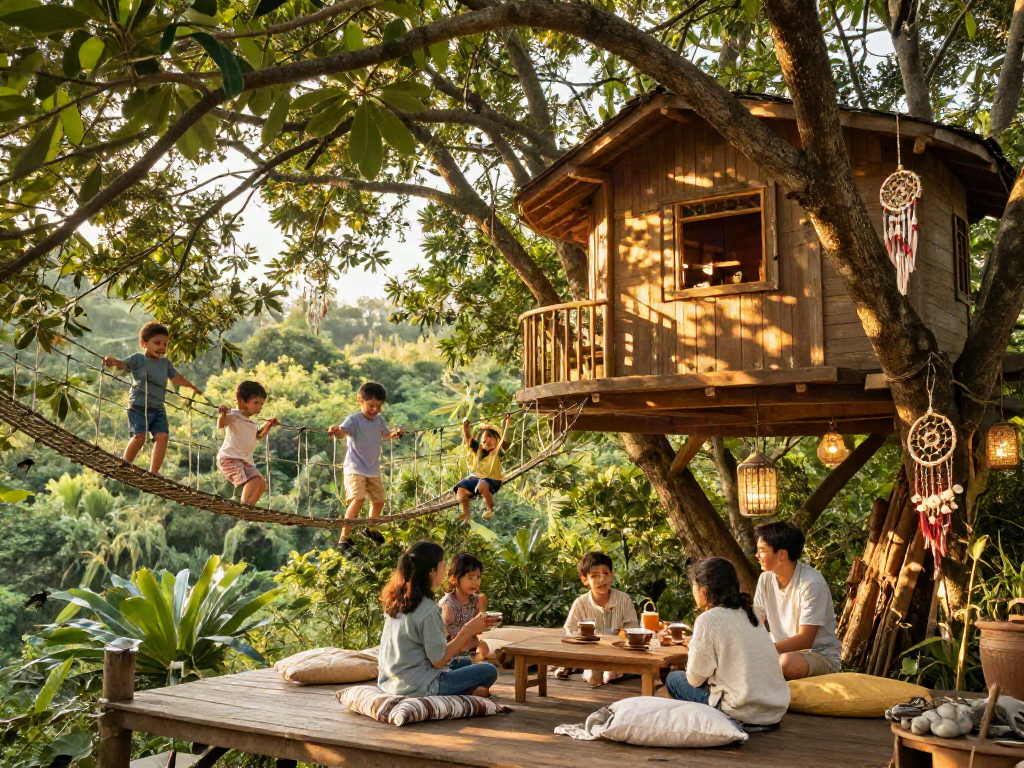
Tree house life encapsulates a lifestyle choice that harmonises modern living with the natural world. It is about creating a home in the trees, designed thoughtfully to blend seamlessly with the surrounding environment. Treehouses can serve multiple purposes, from a simple getaway to an elaborate home equipped with all modern amenities. The essence of this lifestyle is not just to reside in nature, but to actively engage with it, fostering a deeper appreciation for the environment.
The Benefits of Living Among the Trees
Living in a tree house comes with significant benefits that enhance overall well-being. Some of the key advantages include:
- Connection with Nature: Tree houses provide an immersive experience with nature, allowing residents to enjoy the sights and sounds of the woods right outside their windows.
- Reduced Stress: The serene environment of elevated living can lead to reduced stress levels and improved mental health.
- Unique Experience: Each tree house is unique, providing a distinctive living experience that cannot be replicated in standard homes.
- Eco-Friendly Living: Many tree houses are built using sustainable materials and practices, promoting environmental stewardship.
- Adventure: Living in a tree house often feels adventurous, appealing to those with a love for exploration and the outdoors.
Understanding Tree House Designs and Types
Tree houses come in various designs and styles, each suited to different preferences and needs. Common types include:
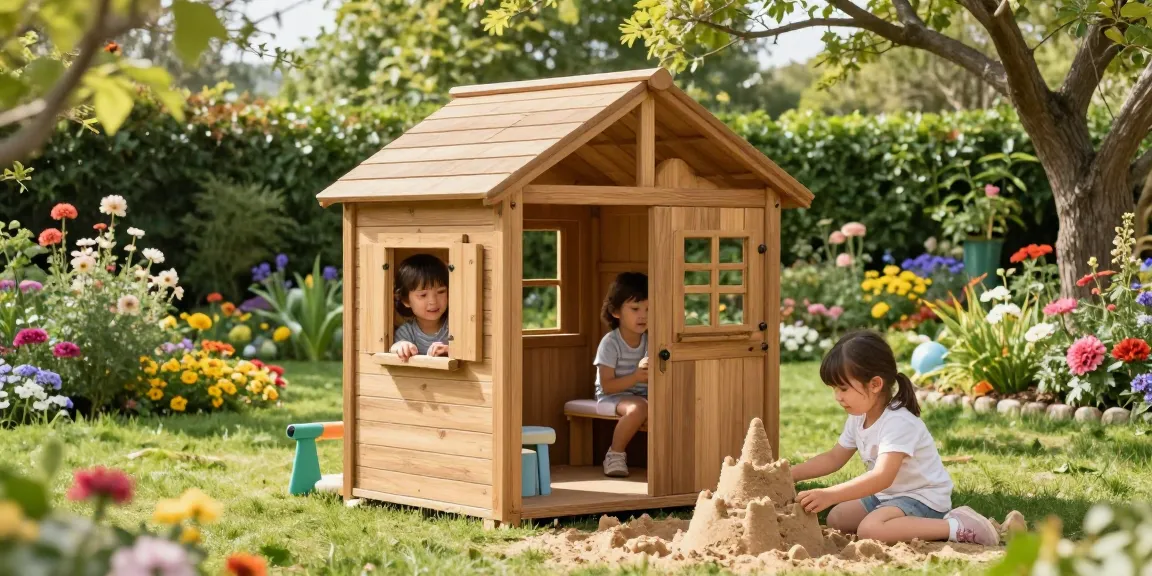
- Traditional Tree Houses: Basic structures typically built for children, often featuring simple designs and minimal amenities.
- Luxury Tree Houses: Sophisticated constructions equipped with modern conveniences such as plumbing, electricity, and spacious decks.
- Eco-Pods: Compact, environmentally-friendly designs that often incorporate sustainable materials and are perfect for eco-conscious dwellers.
- Multi-Level Tree Houses: Structures that make use of vertical space, offering multiple rooms and outdoor areas.
Planning Your Tree House Project
Selecting the Perfect Location
Choosing the right location for your tree house is critical for both safety and enjoyment. Considerations include the type of tree, surrounding landscape, and proximity to amenities. Look for sturdy trees that are at least 8-10 feet high and provide ample support. Additionally, check local guidelines regarding tree house construction, as regulations may impact your project significantly.
Design Considerations for Safety and Comfort
Safety is paramount when designing your tree house. Ensure that the structure is stable and secure, with adequate support beams and platforms. Include safety features such as guardrails and non-slip stairs. Comfort can be enhanced through thoughtful design, incorporating features such as large windows for natural light, ventilation, and insulation to maintain a pleasant temperature year-round.
Understanding Local Regulations and Permits
Before commencing construction, it’s essential to understand local building codes and regulations. Many areas require permits for tree house construction, especially if the structure is large or permanent. Consulting with local authorities and possibly hiring a professional can streamline this process and ensure compliance with all regulations, avoiding potential legal complications down the road.
Building Your Dream Tree House
Essential Materials and Tools
Building a tree house requires a range of materials and tools. Common items include:
- Pressure-treated wood for durability
- Heavy-duty bolts and screws for secure fastening
- Weather-resistant roofing materials
- Tools such as saws, drills, and levels
Choosing high-quality materials is crucial for the longevity of your tree house, especially considering exposure to the elements.
Step-by-Step Construction Guide
Constructing a tree house can be broken down into a concise step-by-step process:
- Design Your Plan: Create detailed blueprints that account for dimensions, structural support, and layout.
- Choose Your Tree: Select a suitable tree that is healthy and robust enough to support the structure.
- Build the Foundation: Construct a solid base that is securely anchored to the tree.
- Add Walls and Roof: Build up the structure with walls and a roof, ensuring proper sealing against weather.
- Install Safety Features: Add guardrails, ladders, and other safety elements.
- Finish Interior and Exterior: Customize the interior with furniture and decor, and consider environmental aesthetics for the exterior.
Eco-Friendly Building Practices
In light of increasing environmental concerns, many tree house builders are adopting eco-friendly practices. This may involve using sustainable materials, such as reclaimed wood or bamboo, and incorporating solar panels for energy. Rainwater harvesting systems can also be valuable for water collection. Taking these steps not only reduces the carbon footprint but also promotes harmony with nature.
Creating an Inviting Tree House Environment
Decor Ideas that Enhance Tree House Life
Transforming your tree house into an inviting retreat involves thoughtful decor and design choices. Consider these ideas:
- Add comfortable furniture that aligns with the natural setting.
- Use earthy colour palettes to harmonise the indoor space with the outdoors.
- Incorporate nature-inspired art and textiles.
- Utilise natural light with large windows and skylights.
Integrating Nature into Your Design
Nature can be brought into your tree house design in several creative ways:
- Create open spaces that allow for easy movement between indoor and outdoor areas.
- Incorporate living walls or greenery within the structure.
- Design balconies or decks that offer elevated views of the surrounding landscape.
Creating Functional Outdoor Spaces
Outdoor spaces play a crucial role in enhancing tree house life. Think about creating:
- Decks for lounging and entertaining.
- Garden areas that provide fresh produce.
- Sitting nooks that allow for relaxation and appreciation of nature.
These spaces not only expand the usable area of your home but also encourage outdoor activities and deeper connection with the environment.
Conclusion: Embracing the Tree House Lifestyle
Future Trends in Tree House Designs
The future of tree house living seems bright, with trends leaning towards sustainability, innovation, and advanced designs. Examples include:
- Zero-energy tree houses that rely on renewable resources.
- Modular and prefabricated tree houses that simplify construction.
- Smart home integrations that enhance comfort and efficiency.
Connecting with the Community and Nature
Living in a tree house can foster a sense of community and connection with nature. Many tree house owners participate in local environmental initiatives, promoting conservation and sustainable living. Building relationships with neighbours can enrich your tree house lifestyle, turning it from a solitary retreat into a vibrant part of the community.
Final Thoughts on Tree House Life
Choosing to embrace a tree house life offers a unique opportunity to redefine your living space while enhancing your relationship with nature. It’s an experience that promotes well-being, adventure, and sustainability.
How to Get Involved with Tree House Communities?
Getting involved with tree house communities can provide support and inspiration for your own project. Look for local groups or online forums dedicated to tree house enthusiasts. Social media platforms can also serve as valuable resources for connecting with other tree house dwellers who share your passion.
Can You Live in a Tree House Full Time?
Many individuals have successfully transitioned to full-time tree house living. With the right planning and resources, a tree house can serve as a comfortable and functional home.
What Are the Costs Involved in Building a Tree House?
Costs for building a tree house can vary significantly based on design, materials, and location. On average, a simple tree house may start around £3,000, while more elaborate structures can exceed £50,000.
What Maintenance Is Required for a Tree House?
Maintenance is essential for the longevity of your tree house. This typically includes regular inspections for structural integrity, clearing debris from roofs and gutters, and treating wood to prevent rot and pests.
Are Tree Houses Sustainable Living Options?
Yes, tree houses have the potential to be highly sustainable if designed with eco-friendly practices in mind. They can often utilise renewable energy sources and employ sustainable building materials, making them an excellent choice for environmentally-conscious living.