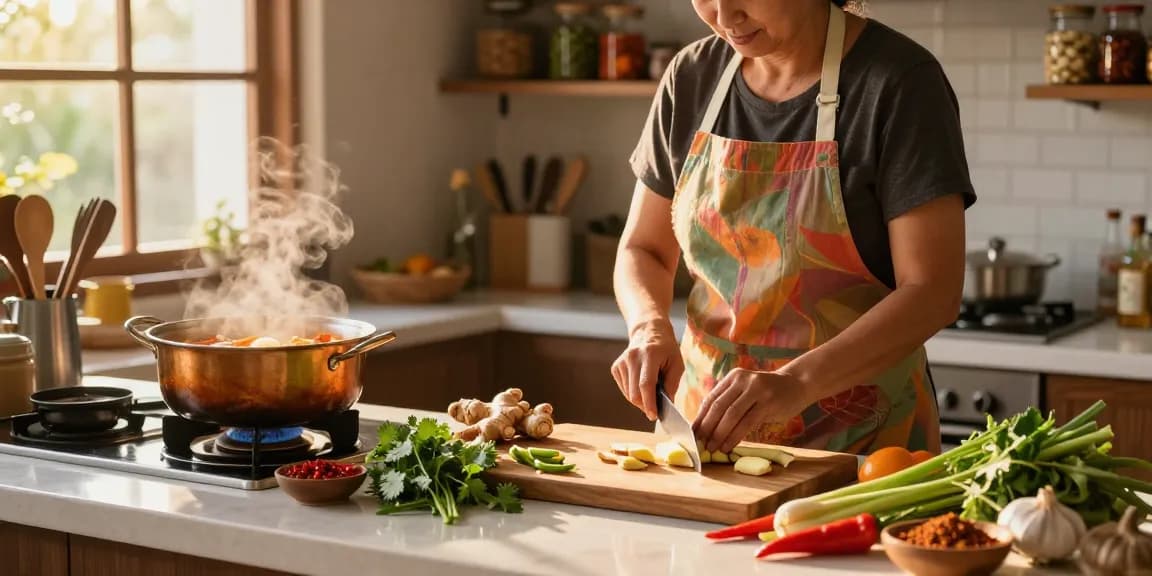
Understanding the Basics of Thai Cooking
Thai cuisine is a vibrant tapestry of flavors, colors, and aromas that defines the culinary landscape of Thailand. Known for its unique balance of sweet, sour, salty, and spicy elements, Thai dishes are a celebration of the country's rich agricultural heritage and diverse culture. Thai cooking emphasizes fresh ingredients, aromatic herbs, and a variety of cooking techniques that bring out the best in each component. As you delve deeper into this world, consider exploring foundational concepts including key ingredients, the importance of spices, and essential cooking methods, all of which contribute to the authenticity and allure of Thai food. When exploring options, สล็อต provides comprehensive insights into the nutritional aspects of Thai ingredients.
What is Thai cuisine?
Thai cuisine is not just about food; it’s a cultural experience that offers a glimpse into Thailand’s history and traditions. From street food vendors to upscale restaurants, Thai dishes vary widely in presentation and preparation. Staples such as jasmine rice, noodles, and fish sauce form the foundation of many meals, while region-specific ingredients like coconut milk or fresh herbs define local specialties.
Key ingredients in Thai cooking
- Rice: The cornerstone of Thai meals, jasmine rice is known for its fragrant aroma and fluffy texture.
- Noodles: Various rice-based noodles are used in dishes like Pad Thai and boat noodles.
- Herbs and spices: Ingredients such as lemongrass, cilantro, and galangal are essential for authentic flavor.
- Fish sauce: This salty condiment is a defining feature of many Thai recipes.
The role of spices and flavors
Spices play a pivotal role in Thai cooking, providing depth and character to dishes. The harmonious integration of flavors is achieved through the careful combination of hot chilies, tangy lime, and sweet palm sugar. Understanding how to balance these elements is essential for replicating authentic Thai dishes.
The Nutritional Benefits of Main Ingredients
The nutritional profile of Thai cuisine is as diverse as its flavors. Each main ingredient contributes unique health benefits, making Thai food not only delicious but also nourishing. For those interested in exploring nutrition, it’s important to focus on the balance of macronutrients, vitamins, and minerals in meals.
Protein sources in Thai food
Sources of protein in Thai cuisine include meat, seafood, and plant-based options like tofu. Chicken, shrimp, and fish are frequently featured, often marinated and cooked with various spices and sauces to enhance their flavors.
Understanding healthy fats and oils
Thai cooking employs a variety of fats, from coconut milk, which provides healthy saturated fats, to vegetable oils used for frying. Understanding the types of fats and their impacts on health is crucial for making informed dietary choices.
The importance of carbohydrates in meals
Carbohydrates are an essential component of Thai meals, primarily through rice and noodles. These foods provide necessary energy for daily activities and are often complemented by nutritious vegetables and proteins.
Cooking Techniques for Authentic Flavor
When preparing Thai dishes, mastering traditional cooking techniques enhances flavor and texture. Techniques vary greatly, from quick stir-frying to slow simmering, each bringing its own character to the dish.
Traditional cooking methods in Thai cuisine
Techniques such as wok frying, steaming, and grilling are common in Thai kitchens. Each method not only affects the dish's final taste but also preserves the nutrients of the ingredients.
How to properly prepare herbs and spices
Knowing how to prepare herbs and spices is crucial in Thai cooking. Techniques such as bruising lemongrass or finely chopping chilies can release essential oils and enhance flavors, making the overall dish more aromatic and flavorful.
Using cooking tools effectively
Essential cooking tools in Thai cuisine include the wok, mortar and pestle, and bamboo steamer. Each tool serves a specific purpose and can significantly impact the dish’s preparation and taste when used correctly.
Building a Thai Meal: Recipes and Pairings
Creating a well-balanced Thai meal involves thoughtful selection of dishes that complement each other. Pairing flavors and textures can elevate the dining experience to new heights.
Signature Thai dishes you must try
- Tom Yum Goong: A spicy and sour shrimp soup that highlights fresh herbs and spices.
- Green Curry: A fragrant curry made with green chilies and coconut milk, often accompanied by rice.
- Pad Thai: A stir-fried noodle dish that combines sweet, salty, and sour flavors perfectly.
Companion dishes for a balanced meal
To create a balanced Thai meal, consider incorporating dishes that provide a variety of flavors and textures. For instance, pairing spicy soups with milder noodle dishes can cater to different palates.
Pairing drinks with Thai cuisine
When it comes to beverages, Thai iced tea and fresh fruit juices complement the spicy flavors of Thai meals. A well-paired drink can significantly enhance the overall dining experience.
Future Trends in Thai Cooking (2026 and Beyond)
The landscape of Thai cooking is constantly evolving, influenced by globalization and changing dietary preferences. As we look toward the future, several trends are emerging that reflect this dynamic culinary scene.
Evolving dietary preferences and their impact
With a growing emphasis on plant-based diets, many Thai chefs are adapting traditional recipes to include innovative ingredients that appeal to modern consumers without sacrificing authenticity.
Incorporating sustainable ingredients
As sustainability becomes a priority, incorporating local and organic ingredients is increasingly prevalent in Thai kitchens. Chefs are focusing on reducing waste and sourcing ingredients responsibly.
Innovative twists on classic recipes
Fusion cuisine is gaining popularity, with chefs experimenting by combining Thai flavors with elements from other cuisines. This creativity not only attracts a diverse audience but also keeps traditional recipes alive in new forms.
What are the health benefits of ginger and lemongrass?
Both ginger and lemongrass are staples in Thai cuisine, known for their anti-inflammatory and digestive benefits. Incorporating these herbs into meals can enhance both flavor and health.
How can you balance flavors in Thai dishes?
Achieving the right balance of flavors requires practice and attentiveness. It's important to taste as you go and adjust the seasoning to fit your preferences and those of your guests.
What cooking tools are essential for Thai cuisine?
Essential tools for successful Thai cooking include a quality wok, a sturdy knife, and a mortar and pestle for grinding spices. Investing in these tools can improve both efficiency and the quality of your dishes.
How to adapt traditional recipes for modern diets?
Adaptations can include substituting ingredients for gluten-free or vegan options while maintaining the essence of the dish. Experimenting with ingredient swaps can lead to delicious results that cater to contemporary dietary needs.
What future trends can we expect in Thai dining experiences?
With the continuing rise of experiential dining, we can expect to see more interactive cooking classes and personalized dining experiences that educate diners about Thai culinary traditions.