Understanding the Slot Concept in Restaurant Operations
The term "slot" in restaurant operations refers to time intervals allocated for customer reservations or service. Efficient slot management enables restaurants to optimize their workflow, maximize revenue, and enhance customer satisfaction. This practice is increasingly relevant as dining establishments strive to adapt to changing consumer behaviors and market dynamics. When exploring options, slot management techniques can provide comprehensive insights into how restaurants can better structure their operations.
What is a Slot?
A slot represents a predetermined time during which a restaurant can serve customers. Typically, it is associated with specific reservations or walk-in traffic, allowing restaurants to manage how many diners they accommodate at any given time. This approach helps maintain a steady flow of customers, preventing overcrowding during peak hours while ensuring the kitchen can efficiently handle orders. In most establishments, slots can range from 30 minutes to several hours, depending on the restaurant's service style and capacity.
The Importance of Slot Management
Effective slot management is crucial for several reasons. Firstly, it helps maximize seating capacity during busy hours without overwhelming the kitchen staff. Secondly, by analyzing customer traffic patterns, restaurant managers can adjust their operations to ensure they meet demand without compromising service quality. Additionally, proper slot management contributes to a better dining experience, minimizing wait times and improving order accuracy.
Common Misconceptions About Slots
There are several misconceptions regarding slots in the restaurant industry. One common belief is that more slots lead to more revenue. While it may seem intuitive, overbooking can lead to a decline in customer satisfaction due to longer wait times and rushed services. Another misconception is that slots are only relevant for fine dining establishments. In reality, fast-casual and quick-service restaurants can also benefit significantly from effective slot management, helping streamline operations and improve profitability.
Implementing Effective Slot Strategies
To capitalize on the advantages of slot management, restaurants must develop effective strategies that cater to their unique clientele and operational demands.
Analyzing Customer Traffic Patterns
Understanding customer traffic patterns is key to implementing successful slot strategies. By analyzing historical data, restaurants can identify peak dining hours and adjust their slot availability accordingly. For instance, if data shows a consistent surge in customer traffic on Fridays between 6 PM and 8 PM, the restaurant can allocate more slots during this timeframe while reducing availability during slower periods. This adjustment not only improves customer experience but also maximizes revenue potential.
Optimizing Menu Based on Slot Availability
Restaurants can enhance the effectiveness of their slot strategies by optimizing their menu based on availability. For example, if certain dishes take longer to prepare, a restaurant might consider limiting them to less busy slots or offering them only as specials during peak hours. This approach helps maintain smooth kitchen operations, ensuring that orders are fulfilled promptly and efficiently.
Leveraging Technology for Slot Management
Modern technology plays a crucial role in effective slot management. Reservation systems and scheduling software enable restaurants to track available slots in real-time, allowing for seamless customer bookings. Additionally, data analytics tools can provide insights into customer behavior, helping restaurants forecast demand and adjust their slots accordingly. Implementing these technologies not only streamlines operations but also enhances the overall customer experience.
Challenges in Slot Management
Despite its benefits, slot management comes with its own set of challenges that restaurants need to navigate effectively.
Overcoming Staffing Issues
Staffing is often cited as one of the most significant challenges in slot management. With fluctuating customer traffic, restaurants must ensure they have the right number of staff on hand to meet demand. Inadequate staffing can lead to long wait times, diminished service quality, and ultimately customer dissatisfaction. To mitigate this challenge, restaurant managers can implement flexible staffing models, allowing for adjustments based on the predicted traffic using historical data.
Dealing with Supply Chain Disruptions
Supply chain disruptions can significantly impact slot management. If certain ingredients are unavailable, restaurants may need to adjust their menus, which can, in turn, affect the slots they have available. To address this, restaurants should establish strong relationships with multiple suppliers and build a buffer stock of essential ingredients. This proactive approach ensures that they can maintain service levels even during unexpected disruptions.
Maintaining Quality During Busy Slots
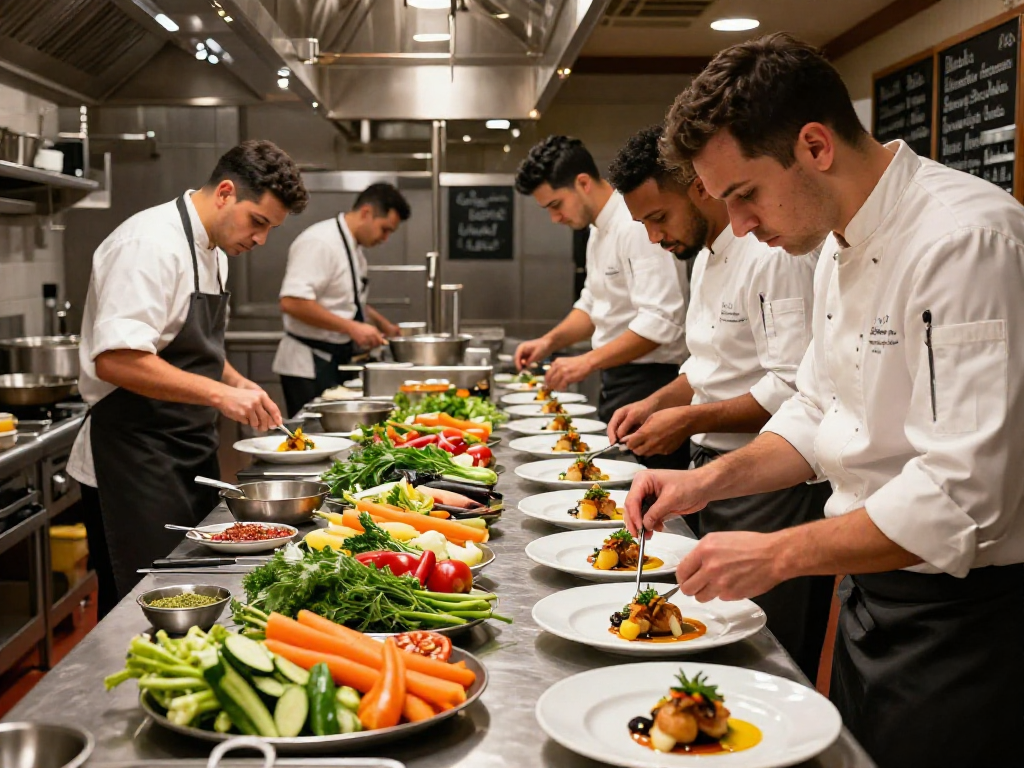
Maintaining food quality during peak slots can be particularly challenging. As demand increases, the pressure on kitchen staff intensifies, which can lead to errors or compromised quality. To counter this, restaurants can employ mise en place strategies, ensuring that all ingredients are prepped in advance, allowing for quicker service without sacrificing quality. Additionally, training staff to handle high-pressure situations can enhance performance during busy periods.
Case Studies: Successful Slot Utilization
Examining real-world examples can provide valuable insights into effective slot management practices.
Local Restaurant Innovations
Consider a local Italian restaurant that shifted to a slot-based reservation system during the pandemic. By offering limited-time slots for dining, they not only adhered to safety regulations but also increased their turnover rate. Through effective slot management, they could serve more guests while maintaining a high standard of service and safety, resulting in a surge in customer loyalty.
Comparative Analysis of Slot Strategies
A comparative study of different restaurants reveals varied approaches to slot management. For instance, a busy sushi bar successfully implemented a staggered slot system, allowing diners to book 30-minute slots for quick meals while still catering to those looking for a longer dining experience. This strategy effectively maximized their seating during peak hours while ensuring customer satisfaction across different demographics.
Impact of Slot Management on Revenue
The correlation between effective slot management and revenue generation is clear. Restaurants that have embraced strategic slot management often report as much as a 20% increase in revenue. Factors contributing to this increase include reduced wait times, optimized staffing, and improved customer retention rates. By focusing on slot efficiency, restaurants can create a more profitable environment.
Future Trends in Restaurant Slot Management
As the restaurant industry continues to evolve, several trends are emerging that will shape the future of slot management.
Predictive Analytics for Slot Optimization
The rise of predictive analytics is transforming how restaurants approach slot management. By utilizing data on past customer behavior and current trends, establishments can anticipate demand more accurately. This technology enables restaurants to adjust their slots proactively, optimizing availability and staffing based on real-time predictions.
Customer Engagement Strategies for 2026
Engagement strategies are set to evolve in the coming years, with an increased emphasis on personalization. Customers will expect tailored experiences based on their preferences, which means restaurants will need to adapt their slot management practices accordingly. By employing loyalty programs that integrate with slot systems, restaurants can attract repeat customers while maximizing their operational efficiency.
Integrating Sustainability into Slot Practices
Sustainability is becoming a critical concern in the restaurant industry. Moving forward, integrating sustainable practices into slot management will be essential. For example, optimizing slots to reduce food waste by aligning them with ingredient availability can drive both profitability and sustainability goals. As more consumers prioritize eco-friendly dining options, restaurants that embrace sustainable slot management will likely see a competitive advantage.
What is a slot in the restaurant industry?
A slot in the restaurant industry refers to a designated time period during which diners can book tables or receive service. This system allows restaurants to control traffic flow, enhance customer service, and maximize seating capacity.
How can slot management improve restaurant efficiency?
Slot management enhances efficiency by allowing restaurants to better distribute customer flow, minimize wait times, and optimize kitchen operations. This systematic approach reduces overcrowding and ensures a more seamless dining experience.
What technologies assist with slot optimization?
Several technologies aid in slot optimization, including reservation management systems, customer relationship management (CRM) tools, and data analytics platforms. These solutions help restaurants track availability, analyze customer traffic, and adjust operations accordingly.
What are common challenges faced in slot strategy?
Common challenges in slot strategy include managing fluctuating customer demand, staffing constraints, and ensuring food quality during busy periods. Addressing these challenges requires a combination of data analysis, staff training, and effective communication.
How will slot management evolve in the coming years?
Slot management will likely evolve through advancements in technology and shifts in consumer expectations. Restaurants will increasingly rely on predictive analytics and personalized engagement strategies to meet the demands of modern diners while maintaining operational efficiency.