Understanding TradingView and Its Core Features
In the rapidly evolving world of trading, having the right tools can make all the difference. TradingView stands out as a comprehensive platform designed for traders of all experience levels. It provides access to multiple markets and asset types, exceptional charting capabilities, customizable alerts, and support across various devices. This article will explore the core features of TradingView, its advantages for market analysis, and how to set it up for optimal trading experiences.
What is TradingView?
TradingView is a cloud-based financial platform that provides advanced charting capabilities, technical analysis tools, and social networking features for traders and investors. Launched in 2011, it has grown to become one of the most popular trading platforms in the world. Users can analyze stock, forex, cryptocurrency, and other financial markets using a variety of built-in indicators, drawing tools, and custom scripts. Additionally, TradingView's community aspect allows users to share ideas and insights, fostering collaboration and learning among traders.
Key Features of TradingView for Traders
- Advanced Charting Tools: TradingView offers a wide range of chart types, including line, bar, and candlestick charts, making it easier to visualize market trends and price action.
- Customizable Alerts: Traders can set alerts based on price movements, technical indicators, or even specific conditions, reducing the need for constant monitoring.
- Multi-Device Sync: The platform seamlessly syncs between desktop, mobile, and web applications, ensuring users can access their accounts from anywhere at any time.
- Community Collaboration: Users can follow other traders, share ideas, and participate in discussions, creating an engaging community for both novice and expert traders.
Benefits of Using TradingView for Market Analysis
Utilizing TradingView provides numerous advantages, including the ability to perform in-depth market analysis quickly and efficiently. The combination of advanced charting tools and a vibrant community makes it easier for traders to stay updated on market trends and make informed decisions. Furthermore, the integration of various data sources ensures users have access to real-time information, which is crucial for effective trading.
Setting Up Your TradingView Account
Creating an Account: Step-by-Step Guide
Getting started with TradingView is a straightforward process. Follow these steps to create your account:
- Visit the TradingView website and click on the 'Join for Free' button.
- Fill in your details, including your email address and a strong password.
- Verify your email through the link sent to your inbox.
- Log in and complete your profile for a more tailored experience.
Choosing Between Free and Paid Plans
TradingView offers several flexible pricing options, ranging from a free tier with essential features to advanced paid plans that unlock additional capabilities. It's essential to evaluate your trading needs and select the plan that best suits you. Free users can access fundamental charting tools, while paid plans provide access to more indicators, alerts, and enhanced customer support.
Navigating the TradingView Interface Efficiently
The TradingView interface is user-friendly but packed with features. Familiarizing yourself with the layout will save you time and enhance your trading effectiveness. Key areas to focus on include:
- Charts: Central to TradingView, charts allow for real-time analysis with customizable settings.
- Watchlists: Create personalized lists of assets to monitor closely.
- Market Overview: Access a dashboard that summarizes market movements and trends.
Utilizing TradingView's Chart Analysis Tools
How to Customize Charts for Maximum Insight
Customizing your charts in TradingView can significantly enhance your analysis. Users can adjust timeframes, add various indicators, and utilize drawing tools to mark important price levels. The ability to save custom layouts allows traders to streamline their analysis process for different assets.
Implementing Technical Indicators on TradingView
Technical indicators are integral to trading, and TradingView supports a comprehensive range. From moving averages to MACD and RSI, users can apply these tools to their charts with ease. Understanding how to use these indicators effectively can provide valuable insights into market momentum and potential price reversals.
Multi-Timeframe Analysis: Best Practices
Multi-timeframe analysis involves examining price movements across different periods to identify trends and reversals. TradingView's setup allows for easy switching between timeframes, enabling traders to gain a broader perspective on market behavior. Using this method helps in making more informed decisions and identifying optimal entry and exit points.
Leveraging Alerts and Notifications
Understanding Trading Alerts: Types and Setup
TradingView provides various alert types, including price alerts, technical alerts, and conditional alerts. Setting these up ensures that you are notified immediately when significant price actions occur, allowing for timely decision-making. To set an alert, right-click on a chart and select “Add Alert” to customize your criteria.
Automating Your Alerts for Real-Time Updates
The automation of alerts is a powerful feature within TradingView. By configuring alerts based on specific price levels or technical conditions, traders can reduce the stress of manual monitoring. Automated alerts can be sent via SMS, email, or through the TradingView app, making it easier to stay updated without being glued to the screen.
Strategies for Effective Price Trigger Notifications
When utilizing alerts, consider setting thresholds that suit your trading strategy. For example, place alerts at key support and resistance levels or when significant indicators signal market shifts. This proactive approach can assist in capturing profitable trading opportunities without the need for constant vigilance.
Future Trends in Trading Tools and Platforms
The Evolution of Trading Platforms by 2026
As technology continues to advance, trading platforms like TradingView are expected to incorporate more AI-driven tools, which can analyze market trends and provide insights in real-time. This evolution will allow traders to make quicker and more accurate decisions, ultimately enhancing trading performance.
Emerging Technologies in Trading Analysis
Emerging technologies such as machine learning and predictive analytics are changing how traders engage with the market. Platforms are beginning to integrate these technologies to offer more sophisticated analytical tools, enhancing traders’ ability to predict market movements and optimize their strategies.
How TradingView is Adapting to Industry Changes
TradingView has consistently adapted to market demands by continuously updating its features and integrating user feedback. The platform is focused on enhancing user experience by adding new tools, improving functionalities, and expanding asset coverage to meet the needs of a diverse trading community.
What makes TradingView unique compared to competitors?
TradingView distinguishes itself from competitors through its extensive social features, highly customizable interface, and a broader range of assets. This combination of features allows for a more engaging user experience and fosters a collaborative trading environment.
How can I effectively use TradingView for day trading?
For day trading, leverage TradingView’s real-time data and advanced charting tools. Focus on setting up your workspace with essential indicators and limit the number of assets you track to enhance concentration. Additionally, utilize the alert system to keep track of significant price movements without frequently checking your charts.
What are the best practices for setting alerts on TradingView?
To maximize your alert effectiveness, consider these best practices: set alerts at critical price levels, utilize different alert types (such as price, volume, and oscillator alerts), and regularly review your alerts to ensure they align with your trading strategy.
Is a desktop version of TradingView necessary for efficiency?
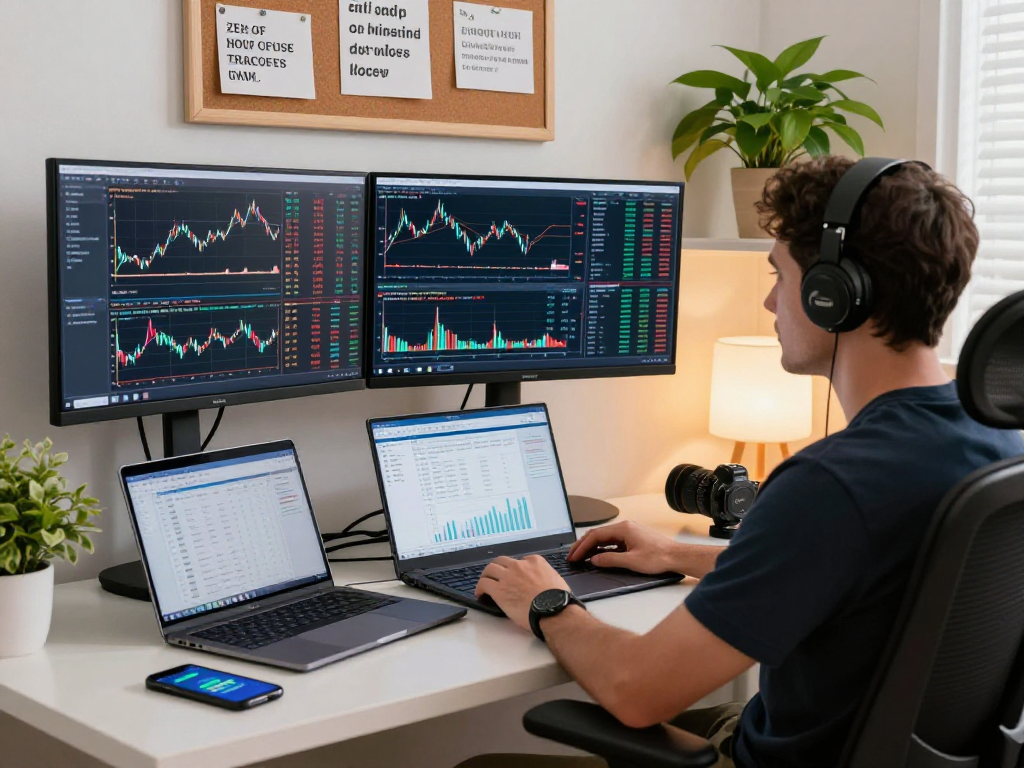
While the web and mobile versions of TradingView are robust, the desktop version provides enhanced functionality, particularly for users who engage in high-frequency trading or require multi-monitor setups. The desktop application offers additional features, such as advanced chart layouts, that can significantly enhance workflow.
What types of users benefit most from TradingView?
TradingView is particularly beneficial for individual traders, analysts, and financial educators. Its comprehensive set of tools caters to both beginner and advanced users, making it an ideal choice for anyone looking to enhance their trading capabilities. The platform’s social features also attract community-oriented users who thrive on collaboration and sharing insights.