Understanding the Value of Second-Hand Items
In today's rapidly changing world, second-hand items, especially vintage goods, have begun to reclaim their worth, both in monetary terms and sentimental value. The appeal of rokok88 lies not only in the unique stories behind these items but also in the nostalgia they evoke. Many consumers are increasingly recognizing that items from the past can hold far more significance than newly produced goods. Let's delve into what makes these treasures valuable and the emotional connections they foster.
What Makes Vintage Goods Valuable?
The financial value of vintage goods is influenced by several factors, including rarity, condition, and demand. Items that are no longer in production often fetch higher prices due to their scarcity. Collectors and enthusiasts alike seek out specific brands, designs, or models that have become icons over the years. Vintage clothing, for instance, can be particularly valuable if it comes from a well-known designer or represents a significant fashion era.
- Rarity: The less common an item is, the more it may be worth.
- Condition: Items in pristine condition demand higher prices.
- Provenance: Documentation of an item's history can enhance its value.
Emotional Connections: The Stories Behind Items
Beyond monetary value, vintage items often carry rich stories and memories that resonate with individuals on a personal level. For many, these goods remind them of their childhood or significant life events, making them priceless. A simple toy from childhood can evoke a flood of memories, reminding one of carefree days and innocent joy. This emotional connection is often what drives the passion for collecting vintage items.
How Condition Affects Price and Sentiment
The condition of a vintage item greatly impacts its desirability and price. Collectors prefer items that are well-preserved, though some may appreciate patina as a sign of authenticity. The sentiment attached to an item can also vary with its condition; for example, a well-loved book may hold more sentimental value than a pristine copy. Understanding how condition affects both price and emotional significance is crucial for collectors and sellers alike.
Exploring the Nostalgia Factor
Nostalgia plays a vital role in why people purchase vintage goods. It’s more than just a trend; it’s a deep-rooted emotional response. When individuals see items from their past, it often triggers memories of simpler times, enhancing their overall shopping experience. This emotional engagement is a significant driver of purchases, leading to increased demand for nostalgic items.
Why Nostalgia Drives Purchases
Research has shown that nostalgia can motivate purchasing behavior, as it paints a positive view of the past. Marketers often leverage this by creating campaigns that evoke memories associated with nostalgia. Items that remind people of their childhood, first jobs, or special moments become desirable not because of their functionality, but because of the emotions they stir.
Examples of Items That Evoke Memories
Certain items are particularly potent in triggering feelings of nostalgia. Here are a few examples:
- Vintage toys like Rubik's Cubes and Lego sets.
- Old vinyl records and cassette tapes.
- Classic board games like Monopoly and Scrabble.
These items not only serve as collectibles but also as tangible reminders of cherished moments in one’s life.
How to Create Your Own Nostalgic Collection
Building a nostalgic collection involves more than just purchasing items; it requires intention. Start by identifying what items resonate with you personally. Here are some tips to get started:
- Research: Learn about the history of the items you’re interested in.
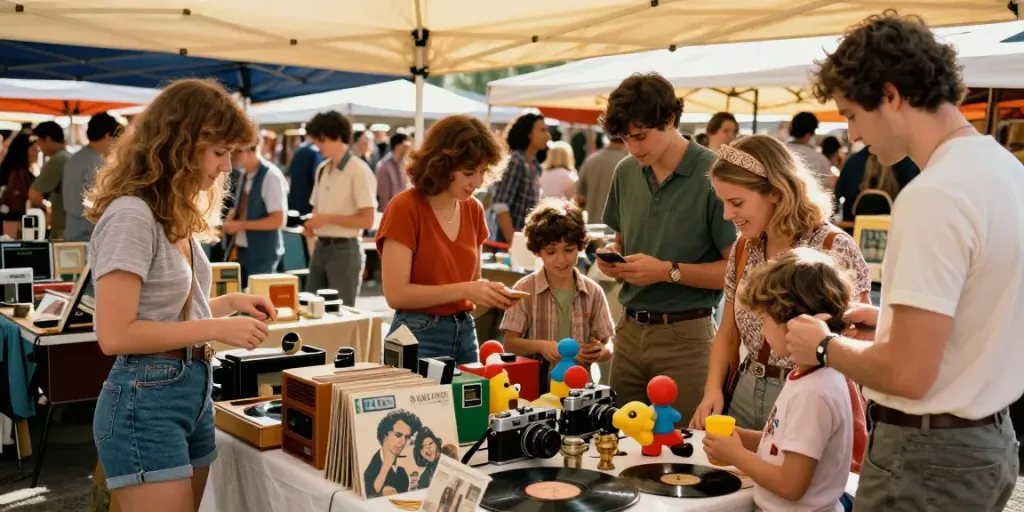
- Local Finds: Visit flea markets, thrift shops, or estate sales to uncover hidden treasures.
- Networking: Join online forums or local clubs to connect with fellow collectors.
Finding Unique Vintage Treasures
As the demand for vintage items continues to grow, knowing where to search for these unique treasures becomes essential. The modern vintage hunter has a multitude of options, both online and offline.
Top Places to Shop for Second-Hand Goods
Finding vintage treasures can be an adventure in itself. Here are some top spots to explore:
- Flea markets and antique fairs for local finds.
- Online marketplaces like eBay, Etsy, and specialized vintage sites.
- Thrift stores and consignment shops for everyday items with potential.
Online vs. Offline: Where to Look
Choosing between online and offline shopping can depend on personal preference. Online shopping offers convenience and a broader selection, while offline shopping provides the thrill of treasure hunting. Many collectors appreciate the tactile experience of inspecting an item in person before making a purchase.
How to Identify Authentic Vintage Items
Distinguishing genuine vintage items from reproductions is crucial for collectors. Pay attention to the following:
- Tags and Labels: Original tags can provide information about age and authenticity.
- Material Quality: Vintage items are often made from higher-quality materials than their modern counterparts.
- Design Features: Knowledge of design evolution helps in identifying the era of an item.
Restoration and Upcycling Techniques
Once you've found your vintage treasures, you may want to restore or upcycle them. Doing so can not only enhance their value but also bring a new lease of life to these items.
Basic Restoration for Worthy Finds
Simple restoration techniques can help restore the charm of vintage items:
- Cleansing: Use appropriate methods for cleaning different materials without causing damage.
- Repairing: Small repairs can significantly enhance both usability and value.
- Preservation: Store items correctly to prevent deterioration.
Creative Upcycling Ideas for Vintage Items
Upcycling vintage items into new creations can be a fulfilling endeavor. Here are a few ideas:
- Turn old suitcases into unique coffee tables.
- Create wall art from vintage records.
- Refurbish wooden furniture with fresh paint or new upholstery.
When to Seek Professional Help
For more complex restoration projects, seeking professional help may be wise. Professionals can provide expertise that ensures the integrity and value of the item is preserved.
The Future of Vintage Collecting
The landscape of vintage collecting is continually evolving, influenced by social trends, economic factors, and technology. As we approach 2026, several emerging trends are shaping how collectors engage with second-hand markets.
Emerging Trends in Second-Hand Markets
One notable trend is the growing acceptance of vintage goods among younger consumers. This demographic is drawn to sustainability and eco-conscious living, making vintage goods appealing for both their uniqueness and their lower environmental impact.
How Technology is Shaping Vintage Shopping
Technology is also playing a crucial role in revolutionizing vintage shopping. With augmented reality apps, consumers can visualize how items will look in their homes before purchase. Additionally, online platforms are making it easier than ever to buy and sell vintage items globally.
Predictions for the Vintage Market in 2026
Experts predict that the demand for vintage items will continue to rise. As sustainability becomes a priority for more consumers, vintage and second-hand shopping will likely gain momentum, positioning the market favorably for collectors and sellers alike.
What Should You Know about Collecting Today?
In conclusion, the world of vintage collecting is richer than ever, driven by nostalgia, value, and sustainable practices. Whether you're a seasoned collector or just starting, there’s a universe of stories waiting to be uncovered through these cherished items. Engage with the community, take your time to explore, and most importantly, enjoy the journey of discovery.